
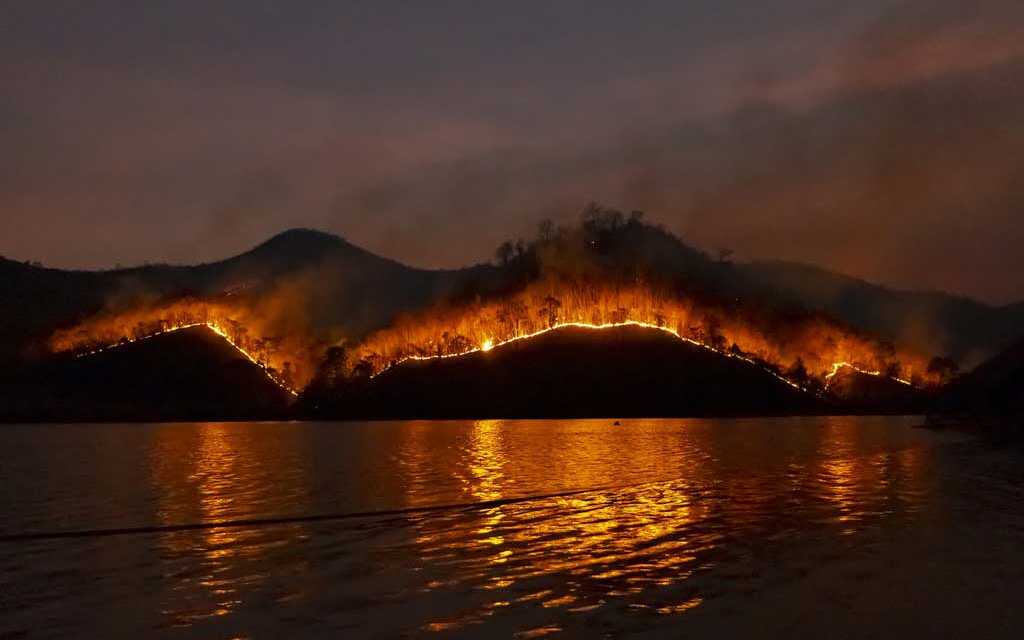
Forest fires, also known as wildfires or “feux de forêts” in French, are a growing concern around the world. These natural disasters can have devastating consequences on the environment, human settlements, and animal habitats.
Let’s discuss the causes of forest fires, prevention measures, consequences on the environment, and potential solutions.
Causes of Forest Fires
Forest fires are caused by a variety of factors, including natural causes, such as lightning strikes and volcanic eruptions, as well as human-made causes.
The most common human-made causes of forest fires include:
- Campfires: Campfires that are not properly extinguished can quickly spread and cause a forest fire.
- Arson: Deliberately starting a fire in a forest is a criminal offense, but it is unfortunately not uncommon.
- Smoking: Cigarette butts that are not disposed of properly can cause a fire.
- Machinery: Sparks from machinery, such as chainsaws or lawnmowers, can cause a fire.
- Electrical equipment: Faulty electrical equipment can cause sparks that ignite a fire.
Prevention Measures
Preventing forest fires is crucial, and there are several measures that can be taken to reduce the risk of forest fires. Some of these measures include:
- Educating the public: Educating people about the dangers of forest fires and how they can prevent them is essential. This can be done through public service announcements, school programs, and community events.
- Enforcing fire safety regulations: Strict regulations should be enforced to prevent campfires, smoking, and fireworks from causing forest fires.
- Maintaining fire breaks: Fire breaks are areas where vegetation is removed to create a gap that can slow or stop the spread of fire. Maintaining fire breaks is an essential part of fire prevention.
- Managing forests: Proper forest management practices, such as controlled burns, can reduce the risk of forest fires by removing excess vegetation that could fuel a fire.
Consequences on the Environment
Forest fires can have devastating consequences on the environment. These consequences can include:
- Loss of habitats: Forest fires can destroy the habitats of animals, birds, and other wildlife, leaving them without a place to live.
- Soil erosion: The loss of vegetation can cause soil erosion, leading to landslides and other types of erosion.
- Air pollution: Forest fires release large amounts of smoke and ash into the air, which can cause respiratory problems for humans and animals.
- Climate change: Forest fires contribute to climate change by releasing large amounts of carbon dioxide into the atmosphere.
Solutions
There are several solutions to the problem of forest fires, including:
- Rapid response: A rapid response to forest fires can prevent them from spreading and causing widespread damage.
- Use of technology: Technology, such as satellite imagery and drones, can be used to detect and monitor forest fires.
- Controlled burns: Controlled burns can be used to remove excess vegetation and reduce the risk of forest fires.
- Forest management: Proper forest management practices can reduce the risk of forest fires and help to maintain healthy forests.
Conclusion
Forest fires are a growing concern around the world, and it is essential to take steps to prevent them. Educating the public, enforcing fire safety regulations, maintaining fire breaks, and proper forest management practices are all important measures that can be taken to reduce the risk of forest fires.
If a forest fire does occur, a rapid response, the use of technology, controlled burns, and proper forest management can help to prevent widespread damage. It is important to take these measures seriously to protect our environment and prevent the devastating consequences of forest fires.