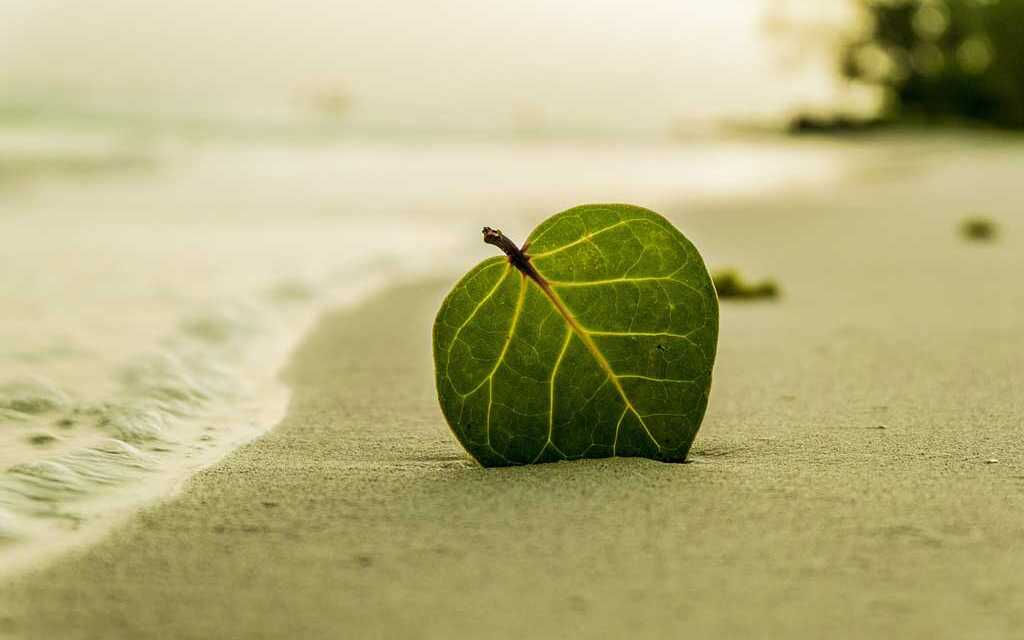
Beaches are one of nature’s most beautiful gifts. They provide a place of relaxation, recreation, and natural wonder. However, they are also fragile ecosystems that are in danger of being destroyed.
To preserve the beach and its ecosystem, we must all do our part. Here are nine simple actions we can take to preserve the beach.
1. Respect the beach and its inhabitants
Respecting the beach and its inhabitants is the first and foremost action we can take to preserve it. The beach is home to many creatures such as crabs, turtles, and birds. To respect their habitats, we should not disturb them. Do not touch, remove or relocate animals, eggs, or nests, as it can cause harm to them and disrupt their natural environment.
It is also important to follow the designated pathways to avoid trampling on sensitive vegetation or habitats. Do not throw rocks or sand, as this can harm the wildlife or other visitors. If you bring your pet to the beach, keep them on a leash, and clean up after them.
2. Use eco-friendly sunscreen
Traditional sunscreens contain harmful chemicals such as oxybenzone and octinoxate that can damage coral reefs and other marine life. These chemicals are toxic to corals and can cause coral bleaching, which can eventually lead to the death of the coral reef.
To prevent this, use eco-friendly sunscreens that are free from these chemicals. Look for sunscreens that are mineral-based, biodegradable, and do not harm the environment.
3. Do not feed the wildlife
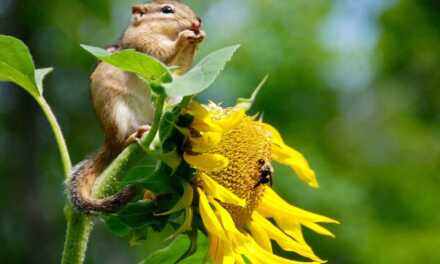
Feeding the wildlife can be tempting, but it is not good for their health and the beach ecosystem. Feeding wildlife can disrupt their natural feeding patterns and lead to dependence on humans for food. This can cause harm to both the animals and the ecosystem.
It can also cause aggressive behavior towards humans, which can be dangerous. Instead, observe the wildlife from a safe distance and avoid interfering with their natural behavior.
4. Use reusable bags and containers
When visiting the beach, it is important to use reusable bags and containers for snacks and drinks. This helps to reduce waste and keep the beach clean. Plastic bags and containers can easily fly away in the wind, end up in the ocean, and harm marine life.
By using reusable bags and containers, we can reduce the amount of waste generated and make sure the beach remains clean and safe.
5. Pick up trash
If you see trash on the beach, pick it up and dispose of it properly. This is one of the most important things we can do to preserve the beach. Litter not only makes the beach look unpleasant but can also harm marine life. It can be harmful to animals that mistake it for food or get entangled in it.
Plastic, in particular, can be dangerous as it does not biodegrade and can take hundreds of years to break down. Picking up trash can help prevent it from ending up in the ocean and harming marine life.
6. Do not remove rocks or shells
Rocks and shells are an important part of the beach ecosystem. They provide shelter and habitat for many marine animals, such as crabs, snails, and small fish. Removing them can disrupt the balance of the ecosystem and harm the wildlife that depends on them. It can also lead to soil erosion and destabilize the beach.
Avoid taking rocks or shells home as souvenirs, and instead appreciate them where they are.
7. Use designated fire pits
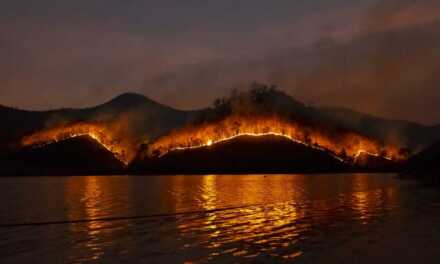
Using designated fire pits is important for preventing wildfires and preserving the beach ecosystem. Fires can damage vegetation and soil, leading to erosion and destabilization of the beach. They can also harm wildlife by destroying habitats and disrupting breeding patterns.
Use designated fire pits and be mindful of any fire restrictions in the area to reduce the risk of fires and ensure a safe and healthy beach environment.
8. Do not disturb nesting areas
Many birds and turtles nest on the beach. It is important to avoid disturbing these nesting areas as it can harm the wildlife and disrupt their natural breeding patterns. The nesting season is crucial for the survival of many species, and even a small disturbance can have a significant impact on their population.
Keep a safe distance from nesting areas, and follow any guidelines or restrictions set by local authorities or conservation organizations. By respecting these areas, we can help protect these vulnerable species and preserve the beach ecosystem.
9. Leave no trace
When it is time to leave the beach, make sure to leave no trace behind. This means packing up all of your belongings, disposing of trash properly, and leaving the beach as you found it. Do not leave any food or waste behind, as it can attract wildlife and harm the environment.
Make sure to double-check your belongings and the surrounding area before leaving to ensure that nothing is left behind. By leaving no trace, we can help preserve the beach for future generations to enjoy.
Conclusion
The beach is a beautiful natural ecosystem that needs to be preserved for future generations. By following these simple actions, we can all do our part to protect the beach and its inhabitants. Whether it is picking up trash, using eco-friendly products, or respecting the wildlife, every action we take makes a difference.
Let us all work together to preserve the beach and its ecosystem for many years to come.