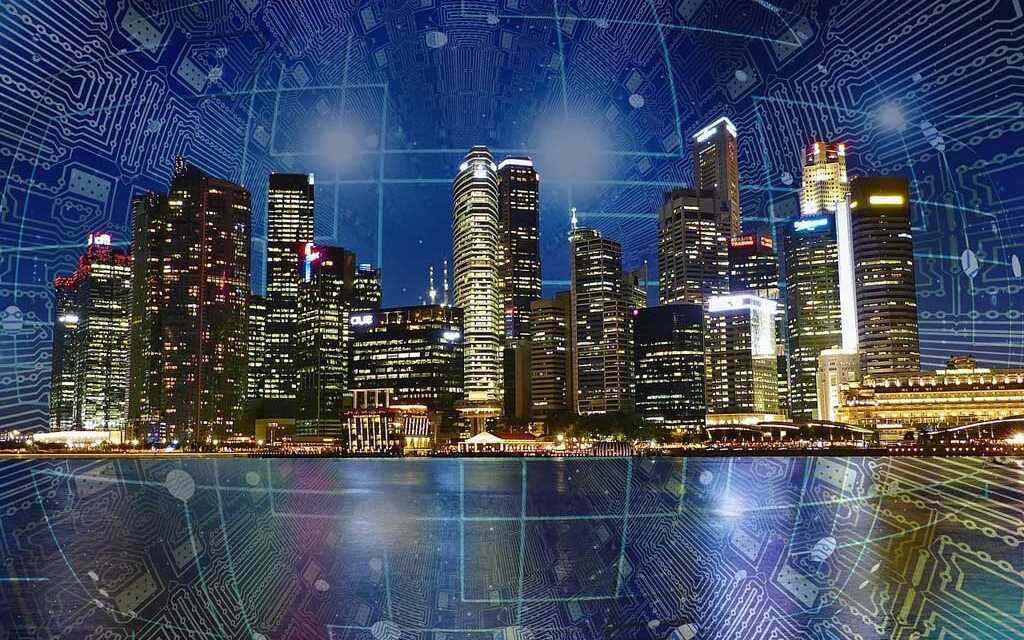
Introduction As the world becomes more technologically advanced, cities are following suit, becoming smarter and more connected than ever before.
Smart and connected cities, or smart cities, are urban areas that leverage the latest digital technologies to improve the quality of life for residents, enhance sustainability, and drive economic growth.
Let’s explore what makes a city smart, the benefits of smart cities, and some of the challenges involved in their development.
What makes a city smart?
Smart cities are characterized by their use of digital technology to improve the functioning of urban systems, including transportation, energy, water, and waste management.
The key elements of a smart city include:
- Internet of Things (IoT) Sensors Smart cities use IoT sensors to collect data from various sources, such as traffic cameras, air quality sensors, and waste bins. This data is then analyzed in real-time to provide insights that can be used to optimize urban systems and improve the quality of life for residents.
- Connectivity Smart cities rely on high-speed connectivity to connect devices and systems across the city. This allows for real-time data sharing and collaboration, enabling city officials to respond quickly to emerging challenges.
- Data Analytics Smart cities use advanced data analytics tools to make sense of the vast amounts of data generated by IoT sensors. This data is used to identify trends, predict future events, and optimize urban systems for maximum efficiency.
- Artificial Intelligence (AI) Smart cities leverage AI to automate and optimize various urban systems, such as traffic management and energy distribution. AI-powered systems can make real-time decisions based on data, enabling more efficient and sustainable use of resources.
Benefits of smart cities
Smart cities offer a wide range of benefits for residents, businesses, and governments.
Some of the key benefits include:
- Improved Quality of Life Smart cities use technology to improve public safety, reduce traffic congestion, and enhance access to public services. This improves the quality of life for residents, making cities more livable and attractive places to live.
- Enhanced Sustainability Smart cities use digital technology to optimize the use of resources, reducing waste and emissions. This promotes sustainability and helps cities meet their environmental targets.
- Economic Growth Smart cities attract businesses and investment by offering advanced infrastructure and services. This creates new economic opportunities and helps cities grow and prosper.
Challenges in developing smart cities
While the benefits of smart cities are clear, their development is not without challenges.
Some of the key challenges include:
- Cost Developing a smart city can be expensive, requiring significant investment in digital infrastructure and technology. This can be a barrier to entry for smaller cities or those with limited budgets.
- Data Privacy and Security Smart cities generate vast amounts of data, raising concerns about privacy and security. City officials must ensure that data is collected and used in a responsible and ethical manner, protecting the privacy of residents and businesses.
- Integration and Collaboration Smart cities require collaboration across multiple stakeholders, including government agencies, businesses, and residents. This can be challenging, particularly in larger cities where there may be competing interests and priorities.
Conclusion
Smart and connected cities represent the future of urban development, offering a wide range of benefits for residents, businesses, and governments.
By leveraging digital technology, smart cities can enhance sustainability, improve the quality of life for residents, and drive economic growth.
While the development of smart cities is not without challenges, the potential rewards are too great to ignore. As such, we can expect to see more and more cities embrace the smart city model in the coming years.