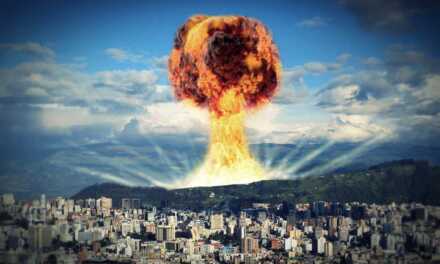
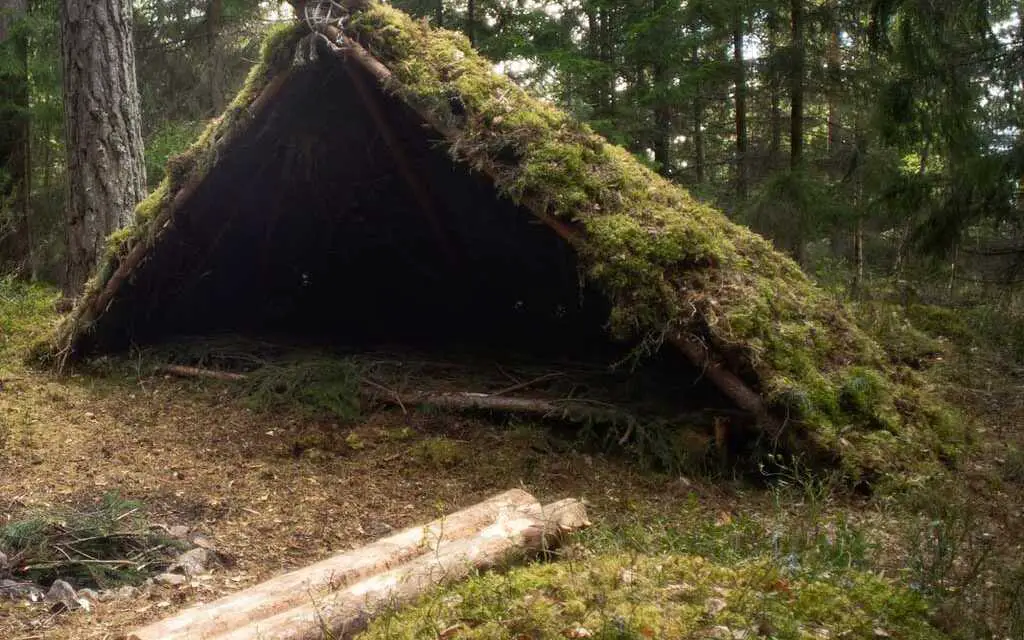
Are you sure that no disaster will happen in the near future? Or, do you think it might, but you completely consider that as a fatality and there’s nothing you can do?
Preppers are sometimes depicted in a pejorative way. Indeed, there are some doomsday preppers that take extreme measures. However, correct disaster preparedness culture must be promoted. That’s why we are sharing with you some of its benefits.
1. Save money and be free from debt
By being prepared you can save a lot of money when and after enduring a disaster or even if you are living a hassle-free life:
- Strengthen your home and physical properties to face disasters and also to qualify for reduced insurance rates.
- Build systems that generate unlimited energy to be completely independent like solar sources, wind sources, …
- Create independent water systems with permanent delivery.
One last thing, preppers tend to stockpile goods when there’s no disaster, and so they avoid any possible inflation that arises usually with disasters.
2. Make extra money
Preppers come up with smart ways to get things done on a tight budget. They end up learning many skills and even provide some paid services as part-time employees or independent contractors.
If you know how to build some basic systems to produce solar energy, deliver water, land watering, … you can find people interested in such systems and propose your services to them.
You can sell surplus food to your neighbors with higher prices in case of inflation, or just because of low availability they may face.
It’s also possible to teach survival skills to others, especially because it’s becoming a must nowadays.
3. Recover faster
After being hit by disaster, the first thing to do of course is to execute a recovery plan. If you don’t have an already established recovery plan or if you have never thought about that, you may endure more pain, stress, and damage.
Disasters are different, and each one requires different measures to be taken:
- Flood.
- Hail.
- Hurricane.
- Tornado.
- Water/rain.
- Wildfire.
- Winter weather.
- Pandemic
- War.
- Etc.
4. Avoid or reduce damage
If your home, properties, and belongings are all built or kept in a way to face possible disasters, you may contain or even prevent potential damage.
Create fire-resistant landscapes around your house, especially if you live in a region that is very prone to wildfires. You should also take some steps to prevent fires inside your home. Set up advanced systems to detect and deal with fires if you can afford that, or at least have a fire extinguisher at your home.
Prefer robust house structures that can resist wind storms like cyclones, hurricanes, and typhoons.
Strengthen your stores and offices against looting and vandalism that may surface when the government collapses or during violent riots.
If a disaster occurs, your financial and legal records, in addition to family and property documents will be safe, because as a prepper, you have already stored them securely and maybe you have redundant copies saved in different locations.
5. Self-reliance
Relying on others, especially for survival matters, is bad behavior. Preppers are self-reliant people as they don’t expect help from others, including the Government. This gives them a lot of confidence.
There are many cases when others cannot help you, even if they wish to. It may be a matter of time (arriving late) or inability (insufficient capacity).
6. Peace of mind, less stress and panic
It’s illogical to listen every day to bad news pertaining to different disasters and issues that may impact you, and still not get prepared.
This situation should be confronted with preparedness not surrendering as it may trigger a lot of stress and panic.
On the other hand, if you are correctly prepared, you will feel less stressed as you are more protected. You will clear your mind so you can sleep better at night.
Some preppers act in the fear mode, that’s counterproductive and may only stress you. You should make wise and educated decisions. For example, don’t stockpile anything and everything.
7. Retirement is easier for preppers
Getting prepared for retirement is also something that must be achieved in advance. If you omit planning your retirement until a few years before the expected age, you will likely retire late.
There are many things you can do:
- Save some money. Don’t squander your hard-earned money.
- Buy a house according to your savings. You can afford a small house in town for cheap.
- If you have a decent monthly income or a good salary, you can prepare for your retirement by investing in a balanced stock portfolio or another passive source of income.
- If you are sure that your current lifestyle and expenses don’t match your expected retirement income, it’s time to adjust your cost of living.