
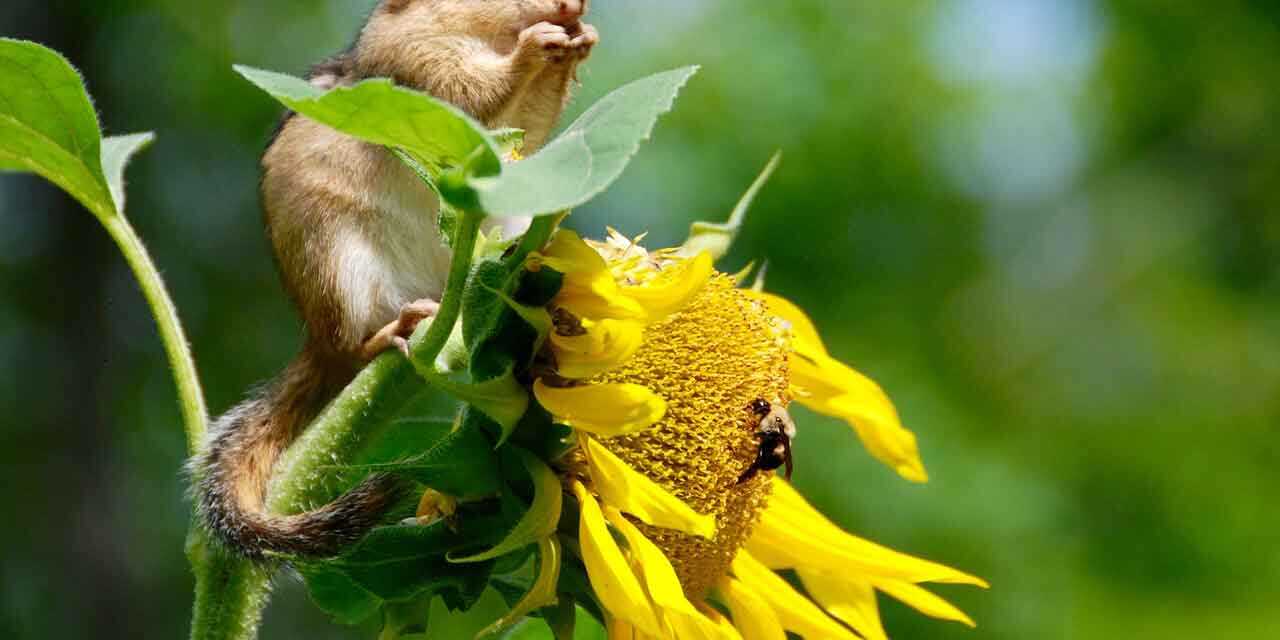
Biodiversity, or biological diversity, refers to the variety of life on Earth. This includes the diversity of species, ecosystems, and genetic diversity within species.
Biodiversity is essential for the functioning of the planet’s ecosystems and for the well-being of humans. However, the Earth is currently facing a biodiversity crisis, with many species going extinct at an alarming rate due to human activities.
In this article, we will explore the importance of biodiversity and how we can conserve it.
The Importance of Biodiversity
Biodiversity plays a crucial role in the functioning of ecosystems, which provide us with essential services such as clean air and water, food, and medicine.
Each species has a unique role in the ecosystem, and the loss of even one species can have significant impacts on the rest of the ecosystem. For example, the extinction of pollinators such as bees and butterflies would have serious consequences for the pollination of crops and the production of food.
Biodiversity also has a cultural and aesthetic value. Many cultures around the world have a deep connection with the natural world and its diversity. The loss of biodiversity can have a significant impact on cultural practices and traditions, as well as on the aesthetic beauty of the planet.
Threats to Biodiversity
Human activities are the main cause of the current biodiversity crisis. The destruction of natural habitats for agriculture, urbanization, and other forms of development is a significant threat to biodiversity. Climate change is also causing significant impacts on ecosystems, with many species unable to adapt to changing conditions.
Overexploitation of natural resources, such as overfishing and hunting, is also a major threat to biodiversity. Pollution, including chemical pollution, plastic waste, and oil spills, can have devastating impacts on ecosystems and the species that depend on them.
Conserving Biodiversity
Conserving biodiversity is essential for the long-term survival of the planet and for human well-being.
There are several strategies that can be used to conserve biodiversity:
Protected Areas: Establishing protected areas, such as national parks, wildlife reserves, and marine protected areas, is an effective way to conserve biodiversity. These areas provide a safe haven for species and allow ecosystems to function without human interference.
Sustainable Use: The sustainable use of natural resources, such as forests, fisheries, and wildlife, can also help to conserve biodiversity. This involves using resources in a way that does not cause long-term harm to the ecosystem.
Reduce Pollution: Reducing pollution, including chemical pollution, plastic waste, and oil spills, is essential for protecting biodiversity. This can be achieved through better waste management practices and reducing our reliance on fossil fuels.
Climate Action: Taking action to reduce greenhouse gas emissions and mitigate the impacts of climate change is also critical for conserving biodiversity. This includes transitioning to renewable energy sources and implementing adaptation measures to help ecosystems cope with changing conditions.
Conclusion
Biodiversity is essential for the functioning of the planet’s ecosystems and for the well-being of humans. However, the Earth is currently facing a biodiversity crisis, with many species going extinct at an alarming rate due to human activities.
Conserving biodiversity is essential for the long-term survival of the planet and for human well-being. We can achieve this through strategies such as establishing protected areas, sustainable use of natural resources, reducing pollution, and taking action on climate change.
By working together to conserve biodiversity, we can ensure a healthy and sustainable future for all.