As we become more aware of the impact our daily choices have on the environment, the desire for eco-friendly housing options is growing. Eco-friendly houses, also known as sustainable or green homes, are designed to reduce the overall environmental impact while providing a comfortable and healthy living space for the residents.
Now let’s talk about the features of eco-friendly houses and the benefits they offer.
Features of Eco-Friendly Houses
There are various features that make a house eco-friendly. Some of the most common ones are:
- Energy-Efficient Appliances: The use of energy-efficient appliances reduces the amount of energy required to operate them, which in turn reduces the overall energy consumption of the house.
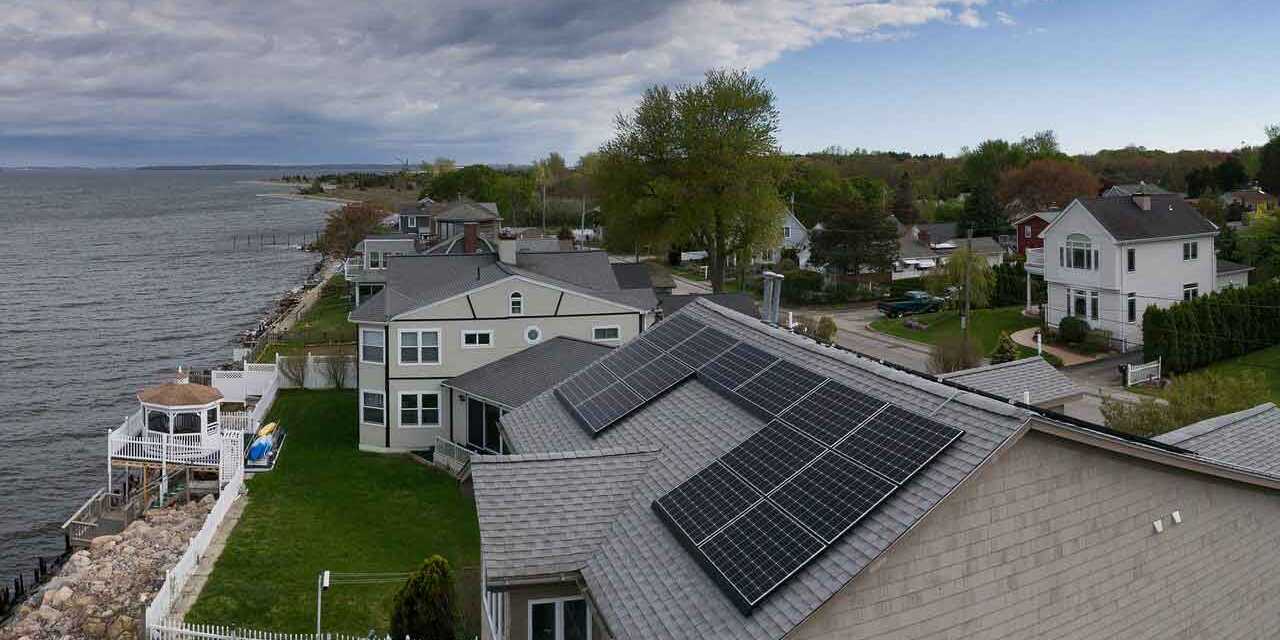
- Renewable Energy Sources: Solar panels, wind turbines, and geothermal systems are popular renewable energy sources that can be installed in an eco-friendly house. These sources generate clean energy, which reduces reliance on traditional energy sources like coal and oil.
- Sustainable Materials: Eco-friendly houses are built using sustainable materials such as bamboo, recycled plastic, and salvaged wood. These materials are not only environmentally friendly, but they also create a unique aesthetic appeal.
- Water Conservation: Eco-friendly houses incorporate water-saving features such as low-flow showerheads, faucets, and toilets. Additionally, rainwater harvesting systems can be installed to collect and reuse rainwater for irrigation purposes.
- Proper Insulation: Proper insulation is a crucial feature of eco-friendly houses as it prevents energy loss and reduces the need for heating and cooling systems.
Benefits of Eco-Friendly Houses
There are numerous benefits to living in an eco-friendly house, including:
- Reduced Environmental Impact: Eco-friendly houses are designed to reduce the overall environmental impact of the house. This means less energy consumption, less waste, and a smaller carbon footprint.
- Healthier Living Space: Eco-friendly houses have improved indoor air quality, which promotes better health for the residents. This is achieved by using non-toxic building materials and proper ventilation systems.
- Cost Savings: While the initial cost of building an eco-friendly house may be higher than a traditional house, the long-term cost savings are significant. Energy-efficient appliances and renewable energy sources can significantly reduce energy bills, and water conservation features can reduce water bills.
- Resale Value: Eco-friendly houses are becoming increasingly popular, and their resale value is expected to rise in the coming years. This means that investing in an eco-friendly house can result in a profitable return on investment.
Conclusion
Eco-friendly houses are a step towards sustainable living. They offer numerous benefits to the residents, the environment, and the economy.
By incorporating energy-efficient appliances, renewable energy sources, sustainable materials, water conservation features, and proper insulation, eco-friendly houses provide a comfortable and healthy living space while reducing the overall environmental impact.
As we continue to prioritize sustainability, eco-friendly houses will become more popular, and their impact will be felt for generations to come.