
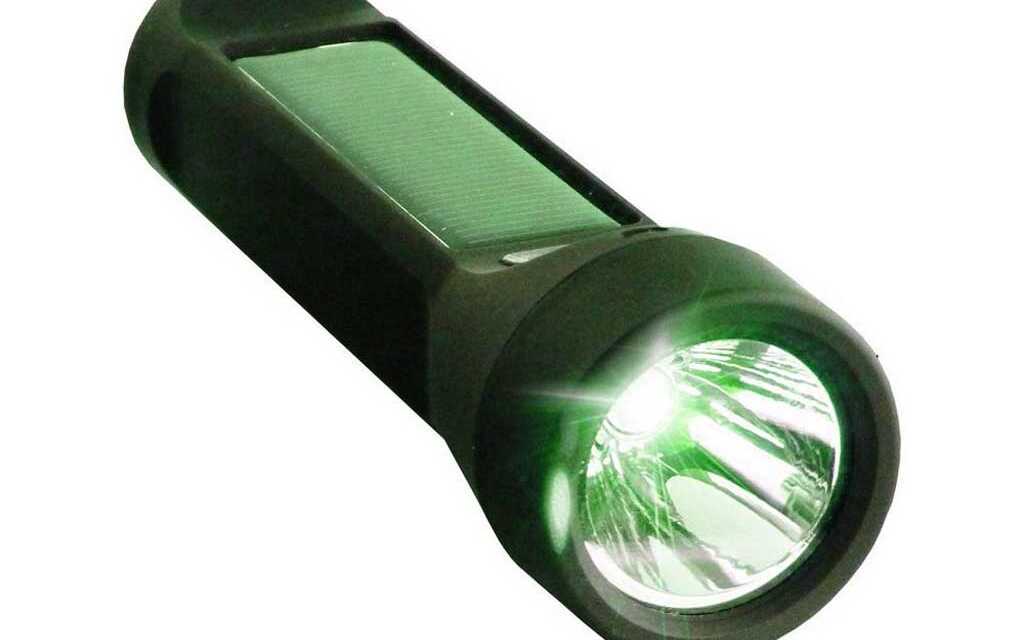
Solar torches are becoming increasingly popular as an alternative to traditional flashlights. These devices use solar panels to charge the batteries, eliminating the need for replaceable batteries or an external power source.
They can be a great addition to your camping gear, emergency kit, or for everyday use. However, with so many options available in the market, choosing the right one can be overwhelming.
In this buying guide, we’ll discuss the various factors you should consider before making a purchase.
Functionality and Features
The first thing to consider is the functionality and features of the solar torch. Solar torches come in different designs, sizes, and shapes, with varying features to suit different needs. Some of the common features include:
- Lighting modes: Some solar torches offer different lighting modes, such as high, low, and strobe. This feature can be useful for different situations, such as reading, walking, or signaling for help.
- Charging options: Some solar torches come with multiple charging options, such as USB charging, hand-crank charging, or car charging. This feature can be useful in case of low sunlight or emergencies.
- Durability: Look for solar torches made from high-quality materials that can withstand rough conditions, such as rain, snow, or extreme temperatures. Some solar torches are also waterproof, shockproof, or dustproof.
- Size and weight: Consider the size and weight of the solar torch, especially if you plan to carry it around for extended periods. Some solar torches are compact and lightweight, while others are larger and heavier.
- Battery life: Look for solar torches with long battery life. The battery life can vary depending on the lighting mode and the battery capacity.
- Additional features: Some solar torches come with additional features, such as a built-in compass, a whistle, or a bottle opener. These features can be useful in outdoor activities or emergencies.
Product Types and Categories
Solar torches come in different types and categories, each with its own pros and cons. Here are some of the common types:
- Handheld solar torches: These are the most common type of solar torches, designed for handheld use. They are lightweight and easy to carry around, making them ideal for outdoor activities or emergencies.
- Solar lanterns: These are larger solar torches that can be hung or placed on a flat surface. They are designed to provide ambient light for a larger area, making them ideal for camping or backyard parties.
- Solar flashlights: These are compact solar torches designed for indoor use or as a backup flashlight. They are lightweight and can be easily stored in a drawer or a car’s glove compartment.
Selection and Purchasing Criteria
When selecting a solar torch, consider the following criteria:
- Battery capacity: Look for solar torches with a high battery capacity, as this will determine the battery life and the charging time.
- Solar panel size: The size of the solar panel determines the charging speed and the amount of sunlight required. Look for solar torches with a larger solar panel for faster charging.
- Price: Solar torches vary in price, depending on the brand, features, and quality. Determine your budget and look for a solar torch that offers the best value for money.
- Brand reputation: Choose a solar torch from a reputable brand with a good track record of producing high-quality products.
- Customer reviews: Read customer reviews and feedback to get an idea of the product’s performance and durability.
Pros and Cons
Here are some of the pros and cons of using a solar torch:
Pros
- No need for replaceable batteries or external power sources
- Environmentally friendly and sustainable
- Can be charged by sunlight or other charging options
- Can be used for outdoor activities or emergencies
Cons
- Dependence on sunlight: Solar torches rely on sunlight to charge, which may not be available in low-light conditions or during the night. It’s essential to have a backup charging option in case of emergencies.
- Limited battery life: The battery life of solar torches can be limited, depending on the lighting mode and the battery capacity. It’s crucial to choose a solar torch with a long battery life to avoid frequent charging.
Conclusion
Solar torches can be a useful and sustainable addition to your outdoor gear or emergency kit. When selecting a solar torch, consider the functionality, features, product types, selection criteria, and pros and cons.
Look for a solar torch that meets your specific needs and budget while providing high-quality performance and durability. With a reliable solar torch, you can have peace of mind and be prepared for any situation.