
Renewable energy is becoming increasingly important as the world works to reduce greenhouse gas emissions and combat climate change.
Renewable energy sources are those that are replenished naturally and can be used without depleting the earth’s resources.
There are several types of renewable energy sources, each with its own advantages and disadvantages.
Solar Energy
Solar energy is perhaps the most well-known type of renewable energy. It is obtained by capturing the sun’s energy using solar panels or other similar devices.
One of the main advantages of solar energy is that it is abundant and widely available. In addition, solar energy systems are easy to install and require little maintenance.
However, one of the main disadvantages is that solar energy is intermittent and relies on the availability of sunlight. This means that solar energy is not always available when it is needed.
Wind Energy
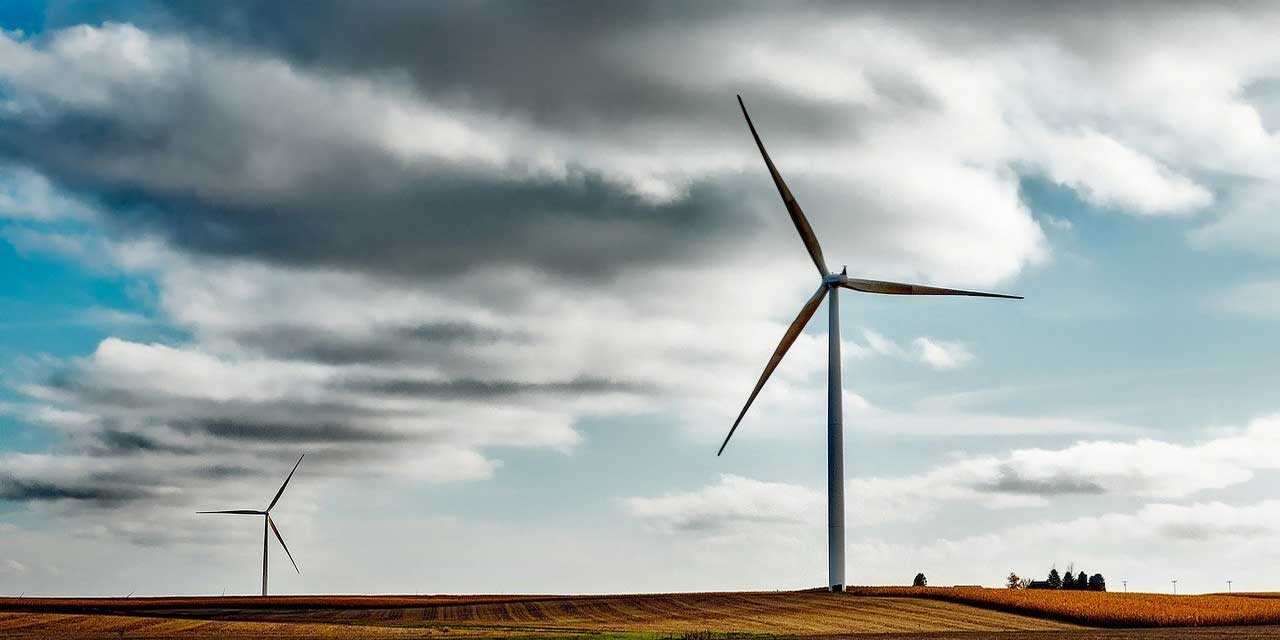
Wind energy is obtained by harnessing the power of the wind using wind turbines.
Like solar energy, wind energy is widely available and abundant. In addition, wind energy is a clean and sustainable source of energy.
It’s worth noting that wind turbines can be noisy and unsightly, which can be a concern for some people. In addition, wind energy is also intermittent and may not always be available when it is needed.
Hydro Energy
Hydro energy is obtained by harnessing the power of moving water, such as rivers or waterfalls, using hydroelectric turbines.
One of the main advantages of hydro energy is that it is a reliable source of energy, as water is always flowing. In addition, hydro energy is a clean and sustainable source of energy.
However, the construction of hydroelectric dams can be expensive, and the construction process can have negative impacts on the environment and local communities.
Geothermal Energy
Geothermal energy is obtained by using the earth’s natural heat to generate electricity. This can be done by tapping into underground reservoirs of hot water or steam.
One of the main benefits of geothermal energy is that it is a reliable source of energy, as the earth’s natural heat is always present. In addition, geothermal energy is a clean and sustainable source of energy.
Unfortunately, the installation of geothermal systems can be expensive, and not all areas have access to geothermal resources.
Biomass Energy
Biomass energy is obtained by burning organic matter, such as wood or agricultural waste, to generate electricity.
One of the main advantages of biomass energy is that it is a relatively cheap and widely available source of energy. In addition, biomass energy can help to reduce the amount of waste in landfills.
However, the burning of biomass can release greenhouse gases and other pollutants into the atmosphere, which can have negative impacts on the environment and public health.
Conclusion
In conclusion, renewable energy is an important part of the transition to a more sustainable and environmentally friendly future.
Each type of renewable energy has its own advantages and disadvantages, and it is important to consider these when choosing which type of renewable energy to use.
By continuing to invest in renewable energy and reducing our reliance on fossil fuels, we can work to reduce greenhouse gas emissions and combat climate change.