
In recent years, there has been a growing awareness of the need to adopt more sustainable practices in our daily lives. One of the simplest and most effective ways to do this is by using reusable products.
Unlike their disposable counterparts, which are designed to be used once and thrown away, reusable products can be used over and over again, helping to reduce waste and conserve resources.
It’s time to explore the benefits of using reusable products, the different types of reusable products available, and how to incorporate them into your daily routine.
Benefits of Reusable Products
There are many benefits to using reusable products, both for the environment and for your wallet. Here are just a few of them:
- Cost savings: While reusable products may require an initial investment, they can save you money in the long run by eliminating the need to constantly buy disposable products.
- Waste reduction: By using products that can be reused multiple times, you can help reduce the amount of waste that ends up in landfills and oceans.
- Sustainability: Using reusable products is an easy way to support a more sustainable lifestyle, as it reduces your overall environmental impact.
- Health benefits: Many disposable products contain harmful chemicals that can be absorbed into your body. By using reusable products, you can avoid exposure to these toxins.
Types of Reusable Products
There are many different types of reusable products available, each designed to replace a specific disposable item. Here are a few examples:
Water bottles and travel mugs
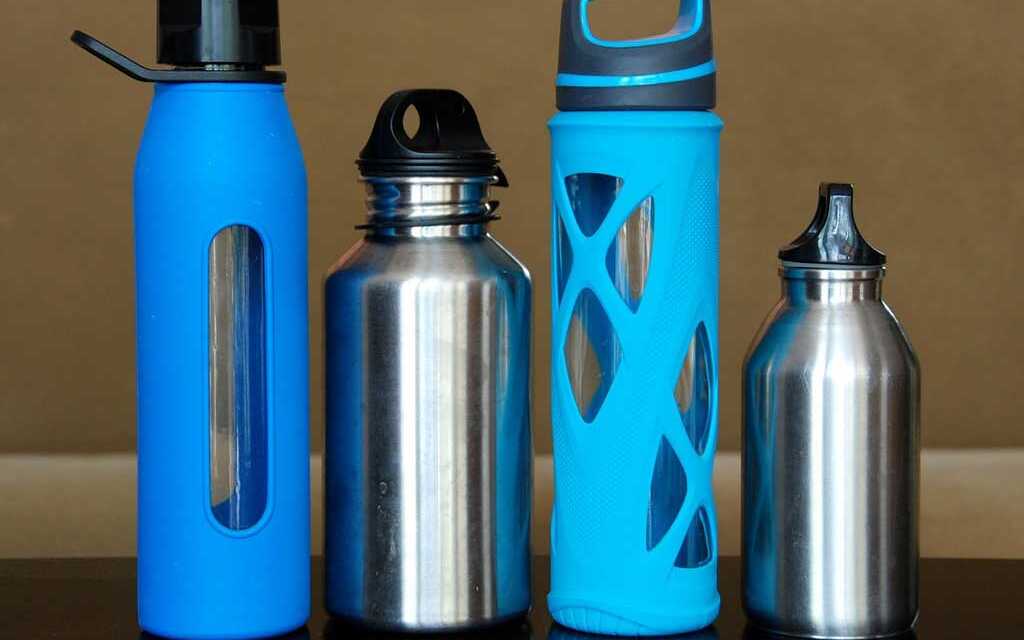
Instead of buying plastic water bottles or paper coffee cups, invest in a reusable water bottle or travel mug. Not only will this save you money, but it will also help reduce the amount of plastic waste that ends up in landfills and oceans.
Cloth grocery bags and produce bags
When you go grocery shopping, bring your own cloth bags instead of using plastic bags. You can also use reusable produce bags to eliminate the need for plastic produce bags.
Reusable straws and utensils
Plastic straws and utensils are a major source of pollution, as they often end up in the ocean. By using reusable straws and utensils, you can help reduce this problem.
Cloth napkins and towels
Instead of using paper napkins and paper towels, switch to cloth napkins and towels. Not only are these more sustainable, but they also look nicer and can be used over and over again.
Menstrual cups and cloth pads
Menstrual cups and cloth pads are a great alternative to disposable menstrual products. Not only are they more environmentally friendly, but they are also healthier for your body.
Reusable food storage containers
Instead of using disposable plastic bags or plastic wrap, invest in reusable food storage containers. These can be used over and over again and are a more sustainable option.
Tips for Incorporating Reusable Products into Your Life
If you’re new to using reusable products, it can be overwhelming to know where to start. Here are a few tips to help you get started:
- Start small: You don’t have to replace all of your disposable products at once. Start by picking one or two items to replace and work your way up from there.
- Invest in high-quality products: While reusable products may be more expensive upfront, they are often more durable and will save you money in the long run.
- Be mindful of your waste: Pay attention to the disposable products you use on a daily basis and look for opportunities to replace them with reusable alternatives.
- Educate yourself and others: Learn more about the benefits of using reusable products and share this information with others.
Challenges and Solutions
While using reusable products is a great way to reduce waste and support a more sustainable lifestyle, it’s not always easy. Here are a few common challenges you may face and some solutions to overcome them:
- Convenience: Disposable products are often more convenient to use, especially when you’re on the go. To overcome this, try to plan ahead by bringing your own reusable products with you. Keep a reusable water bottle in your bag, bring your own utensils and straws, and carry a cloth grocery bag with you when you go shopping.
- Cost: While reusable products can save you money in the long run, they do require an initial investment. To overcome this, start by replacing one or two disposable products with reusable alternatives and gradually build up your collection over time. Look for high-quality products that will last a long time and offer good value for money.
- Lack of knowledge: Many people are simply not aware of the benefits of using reusable products or are unsure of how to use them. To overcome this, educate yourself and others about the advantages of reusable products and share tips and advice on how to use them effectively.
Conclusion
Using reusable products is a simple yet effective way to reduce waste and support a more sustainable lifestyle. By making small changes in our daily lives, we can make a big difference for the environment and future generations.
why not give it a try? Start by replacing one or two disposable products with reusable alternatives and see how easy and rewarding it can be. Together, we can create a healthier, more sustainable world for all.