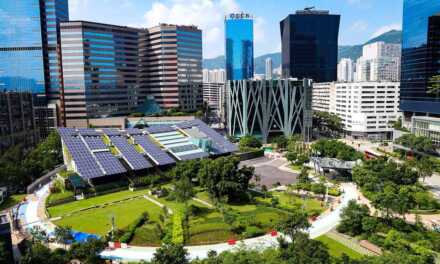

Sustainable development is a concept that has gained significant importance in recent years due to the growing concerns regarding the environment, economy, and society.
The term refers to development that meets the needs of the present generation without compromising the ability of future generations to meet their own needs.
In this article, we will explore the three pillars of sustainable development, the actors involved in promoting it, and the challenges that must be addressed to achieve sustainable development.
The Three Pillars of Sustainable Development
Sustainable development has three key pillars: economic, social, and environmental. These pillars are interconnected and equally important to achieve sustainable development.
The economic pillar refers to the development that is economically viable and efficient. It focuses on creating economic growth and providing employment opportunities, while also promoting resource efficiency and responsible consumption.
The social pillar of sustainable development is concerned with the promotion of social equity and the well-being of society. This involves the provision of basic services such as education, healthcare, and housing, while also promoting gender equality, social cohesion, and community participation.
The environmental pillar is focused on protecting the planet and its ecosystems. This includes the protection of biodiversity, the prevention of pollution, and the promotion of sustainable resource use.
Actors Involved in Promoting Sustainable Development
Achieving sustainable development requires the participation and collaboration of multiple actors, including governments, businesses, civil society, and individuals.
Governments play a crucial role in promoting sustainable development through the development and implementation of policies and regulations that promote sustainable practices. They also have a responsibility to ensure that sustainable development benefits all members of society and protects the environment.
Businesses are also key actors in promoting sustainable development. They can contribute to sustainable development by adopting sustainable business practices, promoting resource efficiency, and investing in clean technology. Businesses also have a responsibility to respect human rights and contribute to social and economic development.
Civil society, including non-governmental organizations, community groups, and individuals, play a critical role in promoting sustainable development. They can hold governments and businesses accountable for their actions, advocate for sustainable policies and practices, and contribute to community development.
Challenges and Issues in Achieving Sustainable Development
While there has been progress in promoting sustainable development, there are still many challenges that must be addressed. One major challenge is the unequal distribution of resources and opportunities. Many people around the world lack access to basic services, such as clean water and sanitation, and are not able to fully participate in economic and social development.
Another major challenge is the impact of climate change on the planet. Climate change is caused by the increasing concentration of greenhouse gases in the atmosphere, primarily as a result of human activities such as burning fossil fuels. This has resulted in rising sea levels, more frequent and severe weather events, and other negative impacts on the environment and society.
Conclusion
Sustainable development is a vital concept that seeks to balance economic, social, and environmental considerations. Achieving sustainable development requires the participation and collaboration of multiple actors, including governments, businesses, civil society, and individuals.
While progress has been made, there are still many challenges that must be addressed to achieve sustainable development, including the unequal distribution of resources and opportunities and the impact of climate change on the planet. It is essential that we work together to overcome these challenges and ensure a sustainable future for generations to come.